A great carer is someone who is kind, patient and willing to help others. Caring for someone is not always easy, so a good carer needs to understand how other people are feeling and be there to support them.
One of the most important qualities is kindness
Small things, such as listening to someone, helping them with daily tasks or simply making them smile, can make a difference. A great carer treats people with respect and makes them feel valued.
Patience is also very important
Some people may need extra help or take longer to do things. A good carer does not get frustrated and understands that everyone has different needs. They stay calm and encourage the person they are caring for.
Another quality that makes a great carer is reliability
A carer should listen carefully and speak clearly so they can understand what the person needs. Being a good listener can help someone feel comfortable and supported. A great carer is someone who genuinely cares about other people and wants to improve their lives. They show kindness, patience and understanding. These qualities help build trust and make a positive difference to the people they care for.
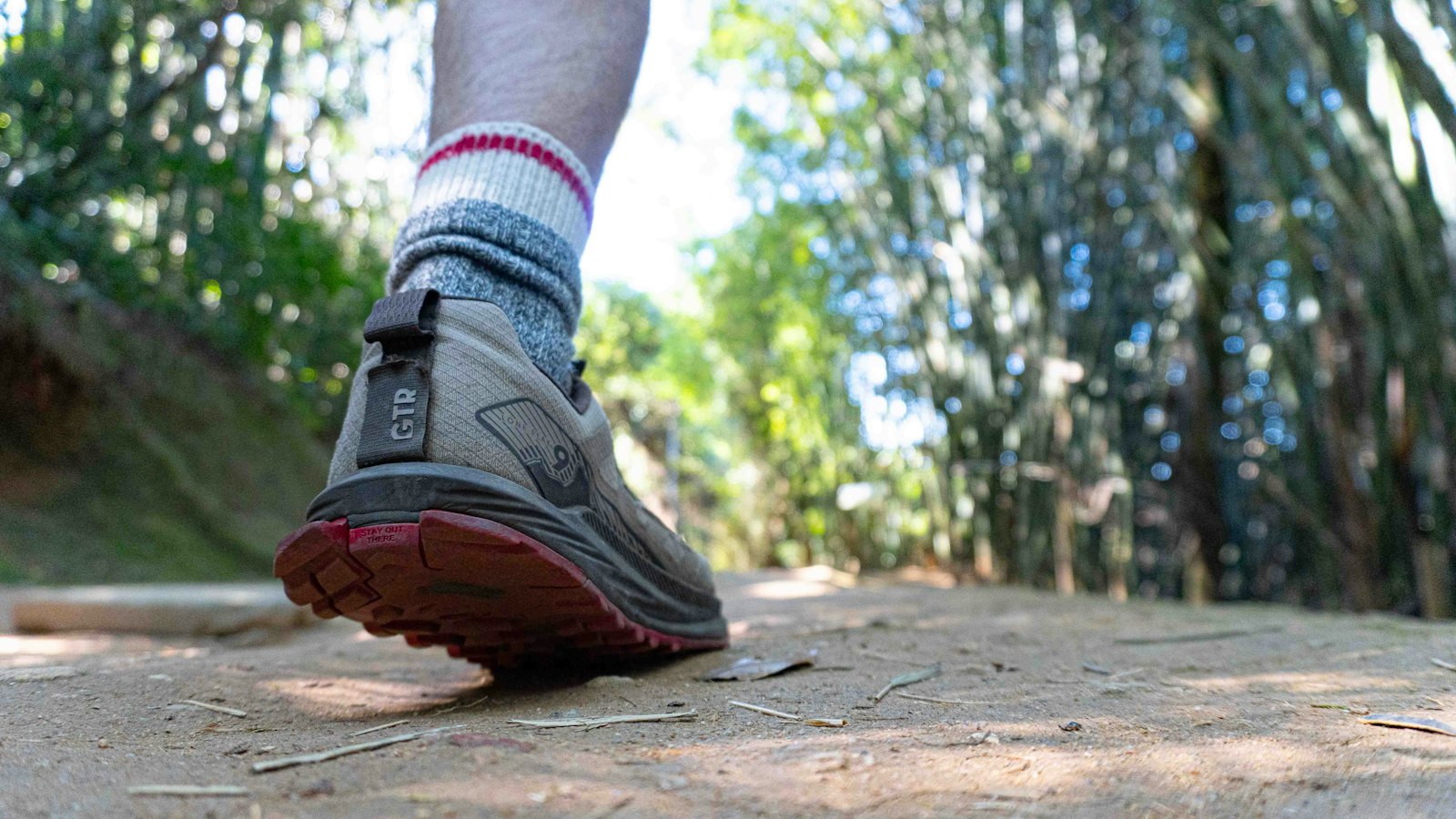
The health of your feet is important for your quality of life and one of the most important ways to keep your feet healthy is to wear the correct footwear. Making sure that you have footwear that is both well suited to your feet and to the activities that you are doing is essential, providing you with comfort as well as good posture and overall better foot health.
When you wear poor quality footwear, or footwear that isn’t suited to you or the activity you are doing you can end up with numerous issues – pain from poor posture, blisters and even injury to the feet. If you do experience foot problems, then it is best to go and see a professional like this podiatrist Gloucester based clinic www.propodiatry.co.uk/podiatry/podiatrist-gloucester who will be able to help you with the problem.
Firstly, when buying footwear, you should have your feet measured properly. This is especially important for children whose feet are still growing and developing. Many people wear the wrong size shoes and don’t realise it, which can lead to pain and other problems with the feet.
A well-fitting shoe should be comfortable but also fit snugly on the foot and should offer heel and arch support. It is always better to walk around with the shoes on when you are buying them.
You also need to be aware of ensuring you have the correct shoe for certain activities – for example, there are various types of trainers depending on what you are doing, and also shoes that offer protection if you work somewhere like a building site.
Comfortable shoes for a long wedding day
A wedding shows how much footwear matters. Shoes chosen for looks alone can leave a bride or guest in pain for hours, and they may be worn for up to fifteen hours in one day. Trying shoes on before buying is the most important step.
An ankle strap sandal with a block heel gives support, and a wide fitting stops the toes being squeezed. Kitten heels keep the heel low, which helps avoid back pain, and some come with a padded insole under the ball of the foot. Wedges remove much of the pressure a high heel puts on the forefoot while still allowing free movement, and they suit a less formal ceremony.
Flats can be a comfortable choice too, but fit is everything. Ballet flats that are too tight across the toes can lead to painful ingrown toenails, so make sure they fit properly before the big day.
Posture and its effect on the whole body
Good footwear is one part of looking after your body, and good posture at work is another. Back pain is one of the leading causes of long-term illness in the UK, and poor posture in the workplace is one of its biggest causes, building up gradually over months and years.
A few changes can lower the risk. Take regular breaks from your desk to walk around, stretch your back or roll your shoulders. Set up your workstation properly, with both feet flat on the floor or on a footrest and the monitor at eye level. If your job involves a lot of sitting, use a chair that supports your back, ideally one with lumbar support.
Back pain is not the only problem poor posture can cause. It can also contribute to poor circulation through restricted blood vessels, digestive problems and breathing difficulties, or make existing problems worse. Paying attention to how you sit, stand and move is a simple way to protect your health over the long term.
Getting the fit right when buying shoes
Poorly fitting shoes can cause calluses, blisters, bunions, hammertoes, plantar fasciitis and even stress fractures, so fit deserves more attention than style or price. Have your feet measured professionally from time to time, because their shape and size can change with age. Feet also swell and settle over the course of a day, so the best time to be measured is late in the day when they are at their largest.
Do not count on new shoes stretching. They might give a little, but if they are not comfortable in the shop they may never be. Choose shoes for what you will be doing. Running shoes, for example, are made with extra heel cushioning and flexibility at the toe, while for a lot of walking a shock absorbing heel matters most. Look for a cushioned heel, a sole that does not twist or bend too easily, breathable and durable materials and good arch support. Always try shoes on and walk around, checking that they do not rub, pinch, chafe or slip at the heel.
Take the time to listen and encourage them to be open about their feelings. Providing regular reassurance that you are always there to hear them out is crucial for good mental health.
Support a child through difficult times, as well as helping them identify their feelings and what has caused them.
Encourage a child’s hobbies and interests, and be there to support them. Interests are vital for fostering good relationships and connections, as well as boosting mental well-being.
Structure and routine are important for mental health, especially when it comes to sleep habits, healthy eating habits, and getting physical exercise.
Mental Health Training
Those who work within organisations that provide care and support to children, should be suitably knowledgeable in mental health support for young people. Having a qualified workforce ensures that the highest standards of care and safeguarding are being delivered.
Subjects include everything from psychological first aid, to acquired brain injury training. A specialist provider can deliver a bespoke training package, suitable for the needs of your organisation.
Changes to hearing can often happen slowly and gradually, and because of this, most people actually don’t notice that they have a problem with their hearing because of this gradual decline. However, it is important to recognise warning signs early on, as if there is a problem it can often be easier to deal with when it is spotted sooner.
One of the signs that you have something wrong with your hearing is that you may need to keep turning up the television or the radio louder so that you can hear it properly. If you have family members that comment on the volume being too loud, then you may have a hearing problem. You may also notice that you have problems hearing conversations too, which can be very isolating socially.
Another thing that you should take seriously is if you can hear but the sound is not clear – if it is muffled for example or sounds like it is underwater or accompanied by other sounds like a ringing or buzzing in the ear you should definitely have your hearing checked. Often, muffled hearing can be caused by ear wax build up which can easily be treated by a professional like this ear wax removal Bristol based clinic https://www.earwax.co.uk/ear-wax-removal-near-me/bristol/
Something else that you should have checked is pain in the ear or dizziness – this can be a simple cause such as an ear infection, but if you are suffering with ongoing ear pain it is definitely worth getting it checked out.
In the new year, many people make new year’s resolutions and one of the most popular things that people will resolve to do in the new year is to lead a healthier lifestyle – after the excesses of Christmas and New Years, being healthier is something that can help you to feel better and there are lots of things that you can do, from getting in more exercise, to improving your sleep to eating a more balanced diet. However, something that many people can do in order to improve their health is simple – drink more water.
Drinking plenty of water is essential to help maintain a healthy lifestyle and ensure that the body gets the right support. All of the organs in the body need water in order to function correctly. From ensuring that your temperature is regulated, to aiding digestion to supporting the function of the brain.
The standard guideline for how much water you should drink is approximately 1.5 – 2 litres per day. Some things can affect how much you need, such as activity levels and exercise as well as temperatures and health overall.
Sometimes it can be difficult to ensure that you are drinking enough, especially if you are not used to it! Making sure that you always have water to hand helps – if you work in an office, having a nearby supply of drinking water from somewhere like this water coolers Wales based supplier is helpful, and also having a flask that has guidelines for how much you should be drinking on it.
You also need to be aware of the fact that you can get water from other sources – some foods like soups can have a high water content, as well as fruits.
Other habits that support your blood pressure
Drinking enough water is one part of a healthy lifestyle, and looking after your blood pressure is another, particularly in later life. High blood pressure is linked to kidney disease, heart disease and a higher risk of stroke, and the simplest way to find out whether yours is high is to ask your GP for a check.
Regular exercise helps to lower it. A gentle walk, a slow run or a swim all count, and strength training can help too. Diet has a large effect as well. Cut down on salt, sugar and high-fat foods, eat plenty of wholegrains, fruit and vegetables, and include foods rich in potassium, which helps the body regulate blood pressure naturally.
Alcohol can raise blood pressure and may make blood pressure medication less effective, so keep your intake down and avoid binge drinking.
Thousands of children in the UK live away from their families in foster homes. Foster care is there to provide a safe and supportive environment for children to grow up in when they are not able to live with their parents or extended family. There are many reasons why a child may be in foster care.
Some children are put in foster care due to being abused or neglected at home, or the conditions that they are living in may be deemed unsafe. Parents may be struggling with issues like domestic violence, drug dependency or mental health problems which prevent them from being able to care for their children or make the environment dangerous for a child to be in.
Sometimes foster care is a temporary measure to help in the short term – in circumstances like the imprisonment of a parent or during a period of family breakdown, to help keep the child safe whilst more suitable plans are made long term for the child to be able to live with the parent, or other family members.
Foster carers play a vital part in this process – they can offer stability during a period of turmoil as well as being there to support the child. They can help a child to keep up with their education, build up confidence and ensure that they feel listened to and cared for whilst they are in a situation that they often find challenging.
Foster carers are required all over the UK – if it is something that you think you would be interested in, then you can get in touch with someone like this foster care Llanelli based agency https://saferfostering.org.uk/foster-care-wales/llanelli who is local to you who will be able to advise you on how to apply as well as offering support and training to you going forward.
Where children in care may live
Being in care does not always mean living with foster parents. Some children stay with their own parents under the supervision of social services, while others live in residential care, such as a children’s home, a secure unit or a residential school. A child may enter the system because their family is struggling to cope, or because of official intervention.
Early experiences have a lasting effect on a child’s future. Given the reasons children come into care, those who are or have been in care face a higher risk of developmental difficulties and mental health problems. For most, though, care is a positive experience.
The aim is to give each child a safe, secure and stable home, which offers the best chance in difficult circumstances. Social workers and other professionals build trust and relationships with the children they support, and they undergo rigorous training that is refreshed regularly. Support is also available to foster carers and to parents who need extra help. Every child is an individual, and every experience of care is different.
The difference between a life changing acupuncturist and disappointing results is increasing as there are more and more options, but it also means you have to be concrete about what works best on your path of wellness.Read more
Besides all of the fancy reputation, spa treatments have been proven to reduce stress on an empirical level through scientific research. Recognising these benefits helps offset that cost of self-care, as a necessary indulgence rather than an expense.
Cortisol Reduction
Research shows massage therapy can decrease cortisol — your body’s main stress hormone. A review of studies from 2020 found that massage can reduce cortisol by up to 31%, even after just one session. Decreased cortisol yields higher quality sleep, a stronger and more efficient immune system response, sharper mental focus, and… lowers inflammation throughout the body. For Spa Breaks Bristol, visit https://hatherleymanor.com/the-spa/spa-breaks-cotswolds/bristol
Nervous System Reset
Spa atmospheres engage your parasympathetic sensory system – rest and process (counterpoint to the battle or flight reaction of constant pressure). Warm water therapy, aromatherapy and quiet spaces each cause this relaxation response including reducing measurable heart rate & blood pressure.
Research has found that spa treatments can actually lead to improved sleep patterns. Muscle relaxation; less of the stress hormone flowing through our system and free fall into mental calmness is just what you need to catch those all-important zzzzs – a part that can often be missing from other forms of managing stress.
Mindfulness Benefits
Finally, the spa environment itself can almost force you into being more mindful with stress reduction a happy byproduct. The forced mindfulness break stops the anxious cycle for a bit and allows mental space to reflect.
The Evidence
Studies have found that people who regularly go to the spa report lower stress levels, improved moods and feel a greater sense of wellbeing. These are not quick fixes — the more often you practice any of these activities, the deeper its stress-relief benefits grow over time.
If your child’s idea of a balanced meal is chicken nuggets with a side of more chicken nuggets, you’re definitely not alone! Picky eating is one of the most common challenges parents face, and while it’s often just a phase, it can leave you wondering whether your little one is getting the nutrition they need to grow and thrive.
The Picky Eater Reality Check
Let’s be honest – when your child declares that anything green is “yucky” and considers ketchup a vegetable, meeting their daily nutritional requirements through food alone becomes an Olympic-level challenge. Many picky eaters survive on a rotation of five to ten “safe” foods, which rarely includes the nutrient-dense options nutritionists recommend.
Children who avoid fruits and vegetables often miss out on vitamin C, folate, and fibre. Those who refuse dairy products may lack calcium and vitamin D for strong bones. Kids who won’t touch meat might be low in iron and B vitamins, which can affect energy levels and concentration.
The irony? Nutritional deficiencies can actually make picky eating worse by affecting appetite and taste preferences, creating a frustrating cycle for families.
How Multivitamins Can Help
Think of multivitamins as nutritional insurance for your picky eater. While they can’t replace a balanced diet, they can provide peace of mind by filling in the gaps left by rejected vegetables and avoided food groups.
A quality children’s multivitamin typically includes the nutrients most commonly missing from restrictive diets – vitamin C for immune support, B vitamins for energy, vitamin D for bone health, and iron for cognitive development. This safety net allows you to reduce mealtime stress while still supporting your child’s nutritional needs. For Kids multivitamins, visit vitortho.co.uk/supplements/categories/multivitamins/kids-all-in-1
Meanwhile, a daily multivitamin ensures they’re getting essential nutrients even on days when dinner consists entirely of plain pasta and determination.
Finding the Right Fit
Choose a multivitamin specifically formulated for children, as adult versions contain inappropriate doses. Look for options free from artificial colours and excessive sugars, and always consult your doctor before starting any supplement routine.
There is an increasing understanding that spending time in nature can be highly valuable for our mental health. The potential benefits are numerous, but accessing them can be a challenge. Read more