TrenchPress

Manual Steering Rack Maintenance Checks

Manual Steering Racks – Check These. A Manual Steering Rack is relatively simple in design and therefore easy to check for wear. As there is no power assistance to mask any problems, you will normally notice any wear as soon as it starts to become a problem.

Check the Gaiters for Splits

The gaiters are rubber protectors for the outer of the rack and need to be checked for any signs of damage such as splits and any signs of grease coming out. Damage to the gaiters can cause the inner seals of the rack to wear very quickly.

Inspect the Tie Rod Ends

Now pull the front wheels forward slightly and give them a few rocks from side to side. Any type of clunking, or more importantly, any type of looseness while rocking the wheel, points to worn tie rod ends. Also, be sure to inspect the tie rod end boots. If the boot for the tie rod end is torn or showing signs of excessive wear, the tie rod end itself most likely has excessive wear.

Feel for Play in the Steering

By holding the front wheel at the nine and three o’clock positions, gently rock it from side to side. If it has worn tie rod ends then you should feel some form of clunk. Also, check the boot on each joint to see if it is torn. If it is, the joint will most likely be damaged as well.

Look for Grease or Weeping Fluid

While checking for oil leakage, also note any other sign of damage and wear. If you want Manual Steering Racks, https://westernpowersteering.co.uk/steering-parts/manual-rack/ is a good place to start.

Check the Mounting Bushes

When checking for play in the steering, remember to also check the Rack Housing for play and also look for movement of the Rack Housing against the mounting for the steering Rack. If the Rack Housing moves against the mounting for the steering Rack then the Mounting Bushes for Rack Housing will need to be replaced. The Rack Housing should fit snugly into the Mounting for the Rack and there should be no play or movement of the Rack Housing against the Mounting Bushes.
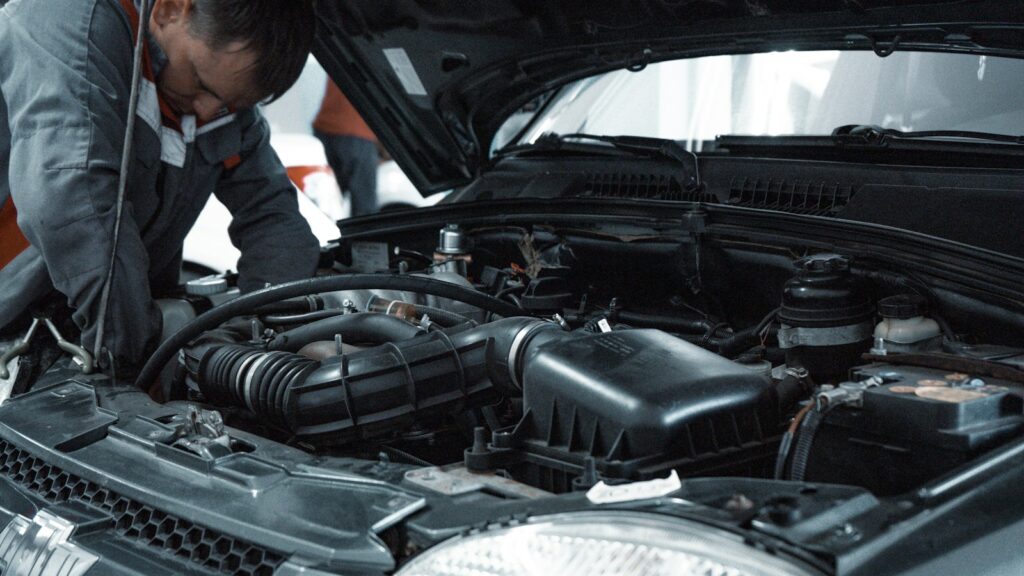
Detecting wear early means that you can ensure the steering remains accurate and that costlier repairs are avoided.

Why Electroless Nickel Plating Is Being Used for Core EV Systems

The transition from internal combustion engines to electric vehicles, or EVs, has transformed the automotive industry, driving demand for more durable, efficient and lightweight materials. As EV manufacturers seek to optimise performance and extend vehicle lifespan, electroless nickel plating has emerged as a vital surface treatment for protecting key systems against wear, corrosion and extreme operating conditions.

Meeting the Demands of Modern EV Components

Electric vehicle components operate under intense electrical, thermal and mechanical stress. Systems such as battery enclosures, connectors and cooling assemblies must maintain consistent conductivity and performance while exposed to heat, vibration and chemicals. Global EV adoption is growing, further increasing the need for coatings that enhance reliability.

Unlike conventional electroplating, electroless nickel plating applies a nickel-phosphorus alloy through a chemical reaction, ensuring uniform coating thickness across even the most intricate surfaces. This process delivers exceptional corrosion resistance, hardness and thermal stability without requiring an electrical current. Such qualities are particularly beneficial for aluminium and copper substrates, helping to prevent galvanic corrosion while improving conductivity.

Supporting Efficiency and Longevity

The properties of electroless nickel make it ideal for components in electric drivetrains, charging systems and thermal management units. For instance, coatings applied to heat-sinks or connectors improve heat dissipation and reduce electrical losses, directly contributing to extended component life and consistent vehicle performance. Solutions like this example https://www.swmf.co.uk/surface-coatings/electroless-nickel-plating demonstrate how this technology supports the industry’s shift towards efficient, high-performance electric mobility.

As electric vehicles continue to evolve, electroless nickel plating remains a crucial technology for achieving resilience, reliability and long-term sustainability in next-generation transport.

Getting Your Car MOT Ready – Pre-Test Checklist

Preparation ahead of time can save you the stress and hassle, not to forget money. Notice how a simple checklist can spot potential problems that could be addressed before your test, or used to budget for repairs.

Lights and Electrical Systems

Indicator lights, headlights, brake lights, hazards and number plate luminescence. Replace any blown bulbs immediately. Alternatively, push the horn and test that you have operated window wipers with enough fluid.

Tyres and Wheels

Check tyre tread depth using the 20p coin test. Inspect for cuts, bulges or irregular wear. Make sure all the tyres meet or exceed a minimum of 1.6mm and verify they are set at proper to spec tyre pressures. When you need an MOT Gloucester, visit https://www.123carandcommercial.com/mot-gloucester/

Brakes and Steering

Test the handbrake to keep the car securely on a slope. Ensure there is smooth steering with limited play or any strange sounds.

Body and Structure

Inspect for sharp metal, corrosion or other damage that could be hazardous. Check to make sure the doors, bonnet and boot open and close properly. Inspect mirrors for stability and visibility.

Fluids and Emissions

Replenish the engine oil, top up your brake fluid and windscreen wash. Check to make sure your exhaust doesn’t produce too much smoke – this is one of the most common failures before testing.

Documentation Ready

Take along your V5C registration document, current MOT certificate and any documentation you have on repairs done recently.

Professional Inspection

If you’re not sure about something then arrange a pre-MOT check. Although most of the warnings can be found well in advance, and kept back until your official test date, many garages provide these services.

Preparation prevents disappointing surprises.

Don’t overlook trailer tyre maintenance

Any driver knows the importance of regularly checking their tyres. On cars and vans, we understand that we should check the tyre pressure, rotate them, keep an eye on the tread depth and ensure they are correctly aligned. This is good practice so that potential problems can be nipped in the bud before they grow into bigger issues and to protect the integrity and performance of the vehicle. But do motorists pay the same level of attention to their trailer tyres?

These tyres might be overlooked but it’s important to provide them the same, if not more care and attention as they are manufactured differently to standard vehicle tyres. Trailer tyres are designed to carry heavier loads than standard tyres and for this reason, keeping an eye on things like tread and integrity are vital for safety. For Trailer Parts, visit a site like https://autoandtrailer.com

Did you know that trailer tyres should be replaced approximately every 3 to 5 years, even if the tread remains good. The reason being that trailer tyres are designed differently and from different materials which don’t have the kind of life span as regular tyres. This means they could be more prone to cracking or splitting. You don’t want to take the chance when it comes to your safety and that of other road users.

Special attention must be paid to the inflation of these tyres. Due to the heavy loads they are designed to carry, the tyres should be inflated to the maximum pressure. Under inflation can lead to bursting risks or uneven wear, which negatively impacts the tyres integrity and your fuel economy.

Helpful Tips for Hiring a Van for the First Time

Whether you are moving house or preparing for a big event, considering a van rental is a good idea. A van is a much more economical way to move big items like appliances or pieces of furniture and is great for group travel. However, it can be daunting if you are not used to driving a van. For getting the most out of your time and cash, a few valuable tips for hiring a van will ensure you get the most out of the experience.

First, if you have never driven a van before, you should spend some time getting comfortable with its controls. You will need to adjust the seat height and wing mirrors so you can see the road around you. It is also a good idea to practice shifting gears, which will help you become familiar with the controls and prevent distractions while driving.

It might be wise to use a co-driver. You should never feel embarrassed to abort if you are not confident behind the wheel. In addition, you should be very aware of the different features of your van and check for signs of damage before you drive away. When you require Van Rental Bristol, visit a company like www.autolynecarvanrental.co.uk/van-hire-bristol

Finally, be prepared to pay a little extra for your hire. Many people think a low quote means the best deal, but this is not always true. Be sure to compare prices and make sure you get all the details taken care of in advance. A van rental may be cheaper than you expect. Also, be sure to get full insurance and ask about how to handle a breakdown.

Another helpful tip for hiring a van is to ask about a damage waiver. There is nothing worse than being left with a hefty bill, so a sound hire company should be able to explain the benefits of this type of cover.

Getting a little lost can make your driving experience a lot more stressful. It’s a good idea to take some time to figure out the best route to your destination. For example, you should know whether you’ll use the motorway or the side road. Similarly, you should estimate the number of items you’ll need to move and decide where you will park.

Driving a van can be intimidating, but it’s easier than you might think. If you prepare, you’ll be ready for any situation. Keep an eye out for all the safety features, and remember that it’s a good idea to stay calm and patient while driving.

Scroll To Top