
Manual Steering Racks – Check These. A Manual Steering Rack is relatively simple in design and therefore easy to check for wear. As there is no power assistance to mask any problems, you will normally notice any wear as soon as it starts to become a problem.
Check the Gaiters for Splits
The gaiters are rubber protectors for the outer of the rack and need to be checked for any signs of damage such as splits and any signs of grease coming out. Damage to the gaiters can cause the inner seals of the rack to wear very quickly.
Inspect the Tie Rod Ends
Now pull the front wheels forward slightly and give them a few rocks from side to side. Any type of clunking, or more importantly, any type of looseness while rocking the wheel, points to worn tie rod ends. Also, be sure to inspect the tie rod end boots. If the boot for the tie rod end is torn or showing signs of excessive wear, the tie rod end itself most likely has excessive wear.
Feel for Play in the Steering
By holding the front wheel at the nine and three o’clock positions, gently rock it from side to side. If it has worn tie rod ends then you should feel some form of clunk. Also, check the boot on each joint to see if it is torn. If it is, the joint will most likely be damaged as well.
Look for Grease or Weeping Fluid
While checking for oil leakage, also note any other sign of damage and wear. If you want Manual Steering Racks, https://westernpowersteering.co.uk/steering-parts/manual-rack/ is a good place to start.
Check the Mounting Bushes
When checking for play in the steering, remember to also check the Rack Housing for play and also look for movement of the Rack Housing against the mounting for the steering Rack. If the Rack Housing moves against the mounting for the steering Rack then the Mounting Bushes for Rack Housing will need to be replaced. The Rack Housing should fit snugly into the Mounting for the Rack and there should be no play or movement of the Rack Housing against the Mounting Bushes.
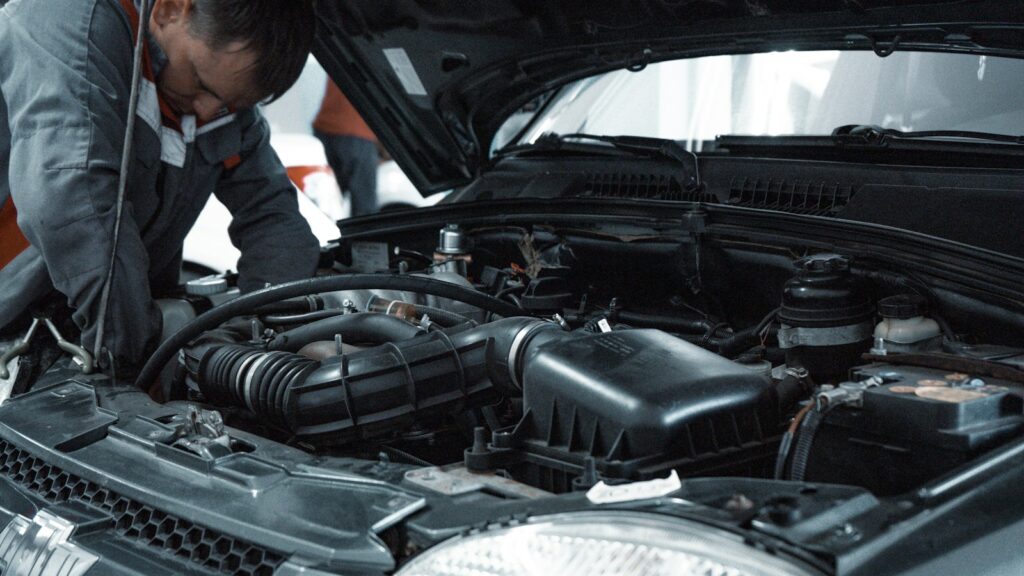
Detecting wear early means that you can ensure the steering remains accurate and that costlier repairs are avoided.